When growing crops, understanding the impact of the changing climate is essential to successful farming. Regenerative farming practices help farms withstand climate shock by improving the soil structure, making crops more diverse, and reducing erosion. This stability in the earth leads to more reliable harvests when facing extreme weather conditions.
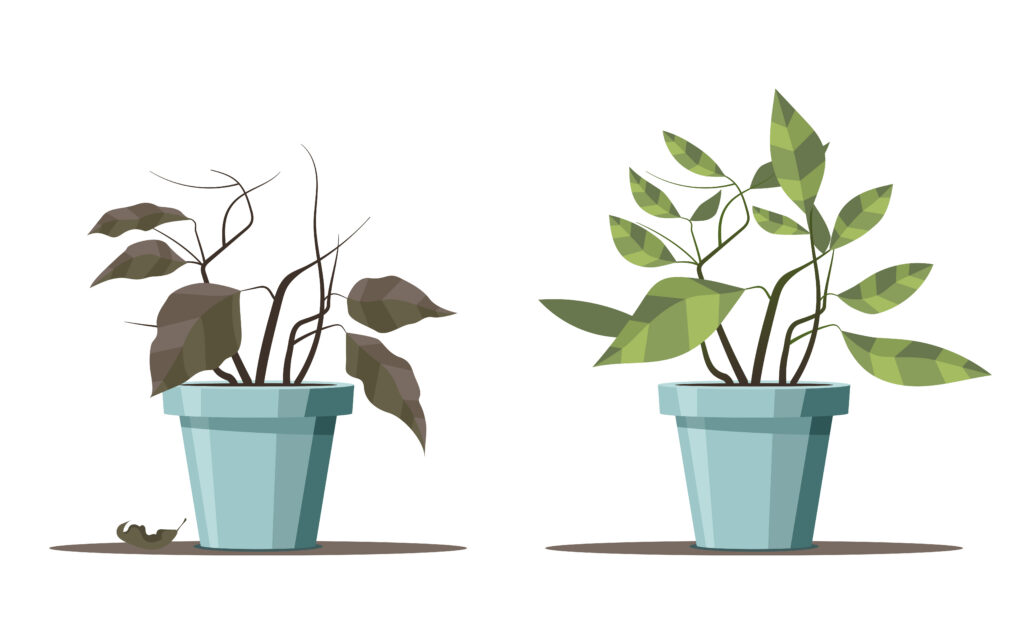
By creating healthy soil farmers can produce more food with less water, which is crucial to areas which are prone to drought.
Farming’s Impact on the Environment
Farms also have an impact on the environment around them. Select the buttons below to learn more
Conventional Agriculture
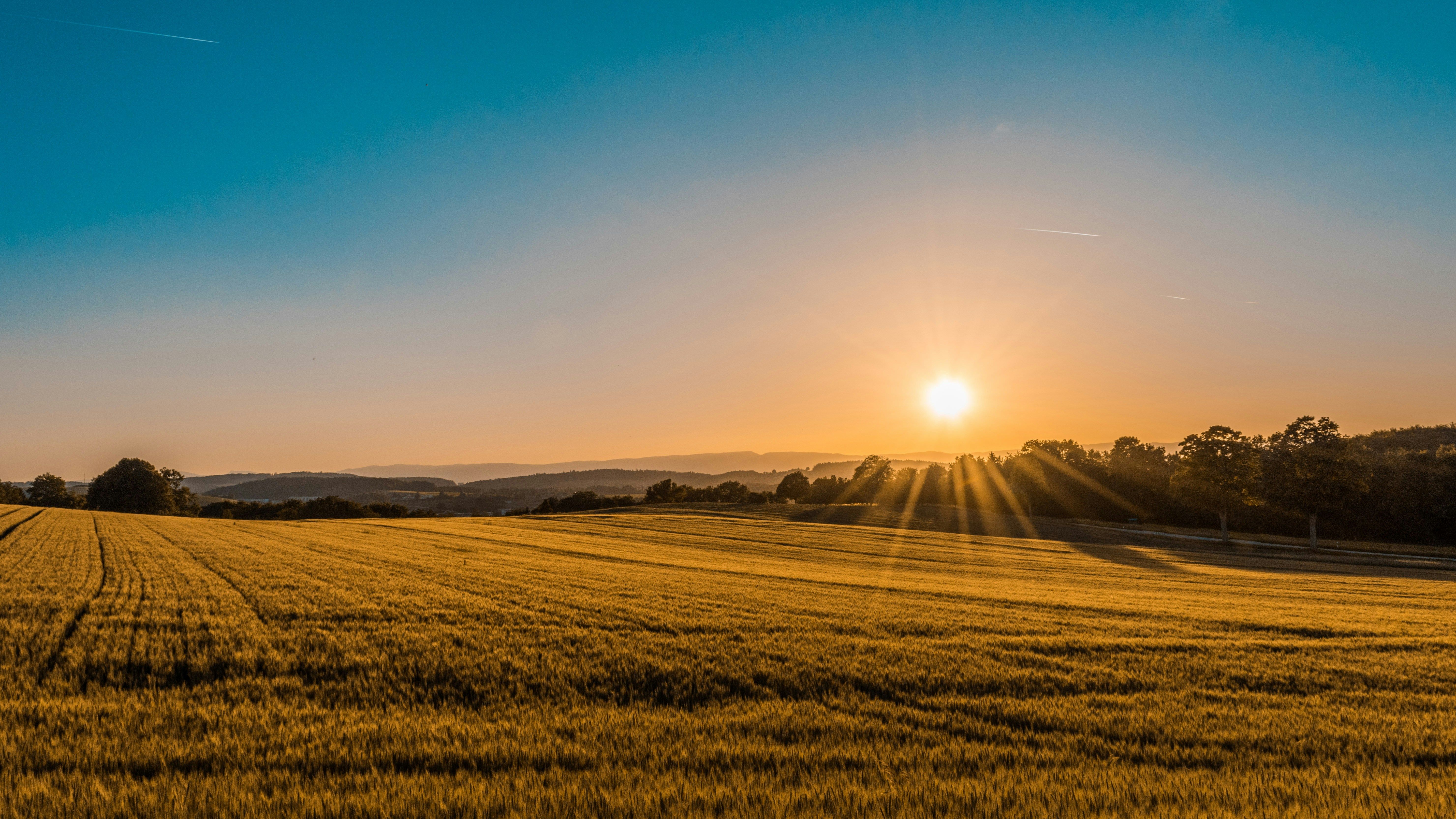
Often optimized for high yields using synthetic inputs, mechanization, and simplified landscapes.
Regenerative Agriculture

Builds soil health and ecosystem function with practices like cover crops, composting, and habitat restoration.