Building sustainable cities requires us to balance our need for growth with the needs of the natural world. From satellite-guided planning to AI-monitored wildlife crossings, technology is helping us bridge that gap.
AI-Powered Urban Mapping
Cities are using Artificial Intelligence to analyze satellite imagery and identify areas where urban sprawl threatens local ecosystems. By processing thousands of aerial images, AI can spot surfaces like concrete, which can increase flooding risks in a city. Fewer trees in a city also means less shade, increasing the heat of an area.
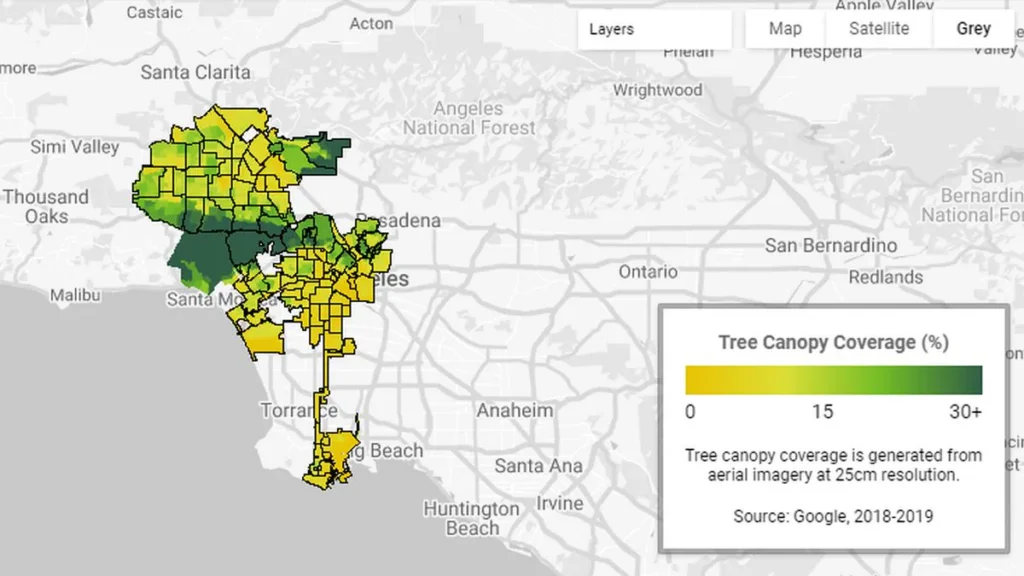
Google’s Tree Canopy Lab uses AI to map city-wide tree coverage. This helps officials target heat-prone neighbourhoods for new green spaces, supporting biodiversity while cooling the city.
Smart Wildlife Corridors
To prevent wildlife from being trapped in « islands » of nature surrounded by roads, planners are building Green Corridors. These bridges and tunnels are outfitted with motion-sensors and AI-integrated cameras to monitor how animals move through the city.
In Singapore, the Eco-Link@BKE uses camera traps and AI identification to track rare species using the bridge. This data allows researchers to ensure the corridor is safe and effectively connecting fragmented habitats.

Digital Twins for Sustainable Planning
A Digital Twin is a 3D virtual model of a city that uses real-time data to simulate the environmental impact of new buildings. Architects can test a development in the virtual world to see if it blocks bird migration paths or destroys essential soil before a single brick is laid.
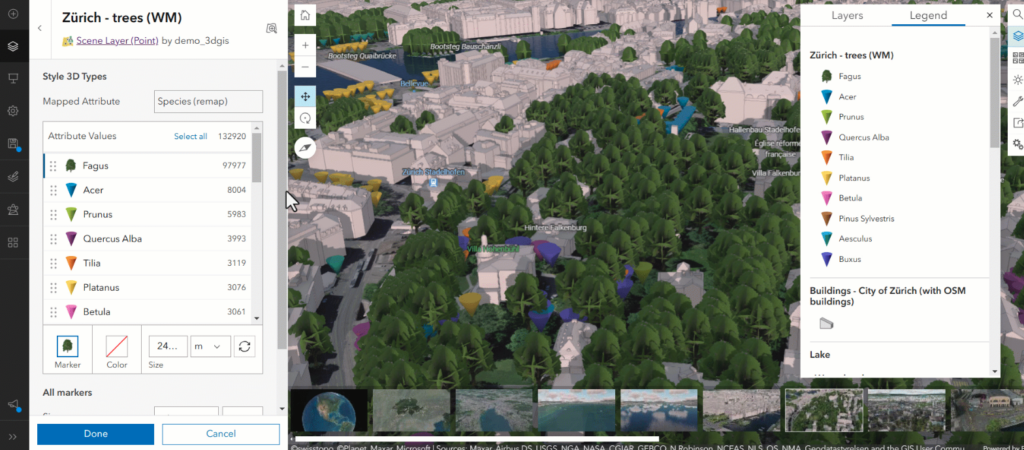
The city of Zurich uses digital twins to simulate wind flow and heat. By testing different layouts virtually, they design cool corridors that keep the city breathable for both humans and urban wildlife.